 FigEditor
Theoretical Framework Generator for Thesis and Research
Theoretical Framework Generator turns an established theory into an editable diagram for a thesis, dissertation, proposal, or paper. Map constructs, propositions, and hypothesis paths, then verify every relationship in FigEditor.
✓ Named theories and core constructs
Theoretical Framework Generator
472 / 3,500
Preview
Technology Acceptance Model
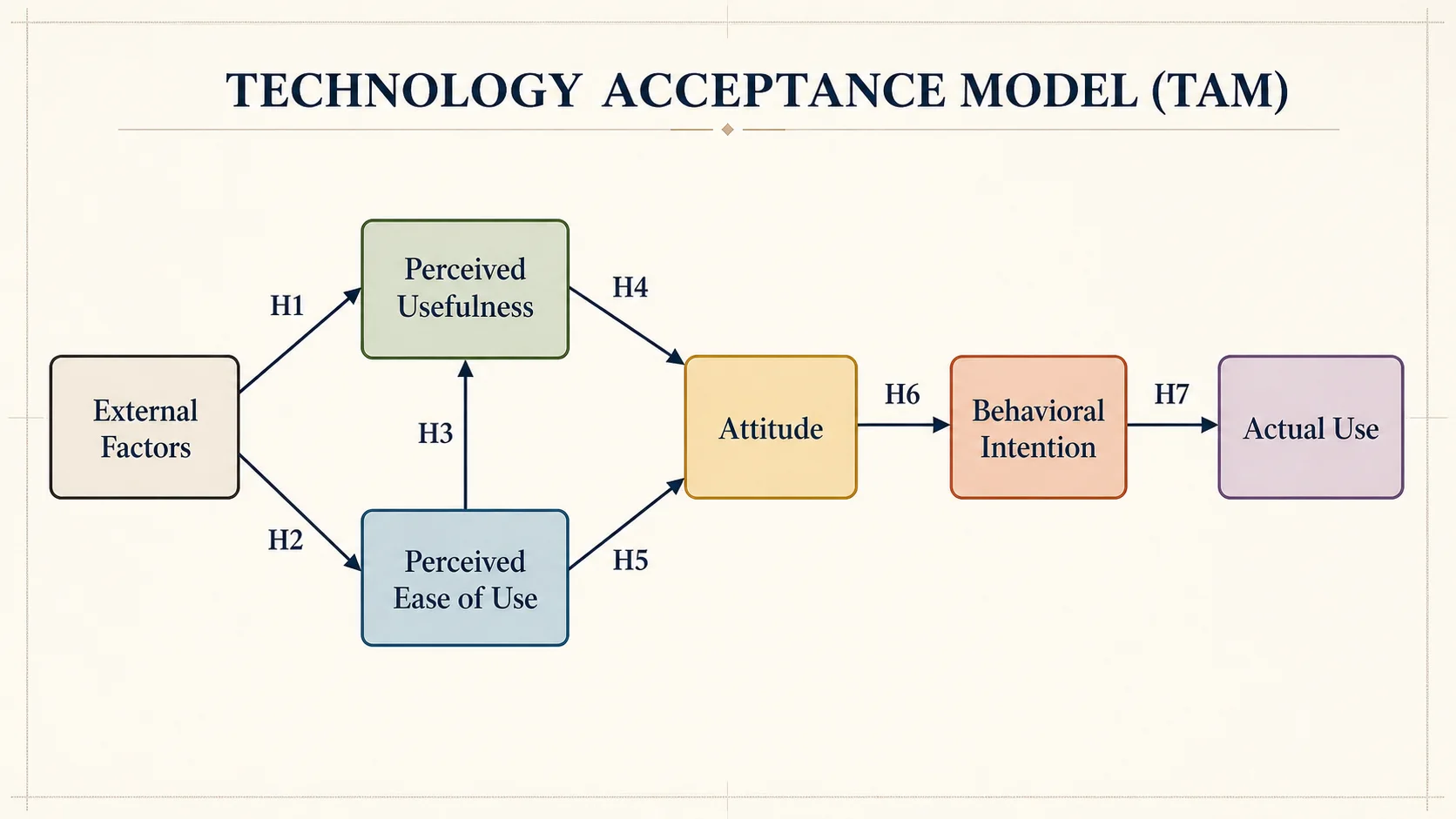
Usefulness and ease of use shape attitude, intention, and actual technology use.
Examples
Create a Theoretical Framework for a Thesis or Paper
Move from a named scholarly lens to a diagram that makes the theory, constructs, and expected relationships easier to review.
Connect Constructs to Propositions and Hypotheses
Map a Qualitative Theoretical Lens
Build an Editable Theoretical Framework Diagram
02 THEORETICAL FRAMEWORK CAPABILITIES
Keep the Named Theory and Its Constructs Visible
State the theory you are adopting and list its canonical constructs. The draft organizes them as a scholarly lens rather than a loose collection of variables.
Label Propositions, Hypotheses, and Directional Paths
Describe each expected relationship together with H1, H2, or a proposition label. Clear arrows make unsupported or missing links easier to catch.
Refine Every Label and Relationship in FigEditor
Preserve the useful composition while correcting terms, arrows, hierarchy, spacing, or colors. Review the theory against the original literature before export.
Why Use a Theoretical Framework Maker for Research
Create a faster visual draft while keeping the researcher responsible for theory selection, evidence, adaptation, and final academic judgment.
Move from Theory Notes to a Visible Model
Describe the theory and its relationships in plain language, then inspect a concrete diagram before spending hours arranging boxes manually. Faster First Draft
Start from a Recognized Theory Example
Use TAM, TPB, SCT, SDT, or RBV as a structural starting point, then replace only what your literature supports. Theory-Aware Examples
See the Credit Cost Before Generation
Choose the model and resolution for the current research stage without discovering the generation cost after submitting. Transparent Credits
Keep Construct and Hypothesis Labels Exact
Supply concise canonical terms, H-labels, and path directions so the draft remains close to your theoretical argument. Academic Terminology
Continue Refining the Figure in FigEditor
Keep what works and make focused changes to labels, arrows, emphasis, spacing, or color before export. Editable Workflow
Keep Evidence and Human Judgment in the Loop
Verify the theory, citations, constructs, and implications with primary literature and your supervisor before academic use. Human Verification
How to Create a Theoretical Framework in 3 Steps
Name the theory, describe its constructs and propositions, then review every relationship before using the framework in a thesis or paper.
Step 1: Name the Theory and Research Context
Enter the established theory, research question, discipline, canonical constructs, and the sources or definitions you have already verified.
Step 2: Describe Constructs and Relationships
State the direction of each path, reciprocal relationship, proposition, or hypothesis. Use an example only as a structure—not as evidence for your study.
Step 3: Generate, Verify, and Refine
Open the draft in FigEditor, correct every label and arrow, distinguish theory from study variables, and export only after checking the original literature.
Theoretical Framework vs Conceptual Framework
The two are related, but they answer different questions and should not be generated as interchangeable diagrams.
Theoretical Framework
THE LENS YOU STAND ON Uses an established theory to explain the phenomenon. It foregrounds the theory name, canonical constructs, propositions, assumptions, and supporting scholarship.
Conceptual Framework
THE MODEL YOU BUILD Maps the variables, themes, mediators, moderators, and expected relationships in your particular study. It may adapt one or more theories to the research question.
Simple pricing
Create more. Explain better.
Choose a plan designed for the way you communicate research.
Basic
$19$9.5/month
For individual researchers who need the complete visual workflow with a practical credit allowance
Start creating- 5,040 credits per year
- ≈ $0.18/image
- All scientific figure tools
- High-resolution PNG exports
- Commercial use included
Plus
$39$19.5/month
For researchers who need more iterations, commercial use, and every advanced visual workflow
Start creating- 12,960 credits per year
- ≈ $0.14/image
- All scientific figure tools
- High-resolution PNG exports
- Commercial use included
Enterprise
$69$34.5/month
For teams that need high-volume credits, commercial use, and support across the full workflow
Start creating- 28,800 credits per year
- ≈ $0.12/image
- All scientific figure tools
- High-resolution PNG exports
- Commercial use included
Frequently asked questions
What is a theoretical framework in research?
A theoretical framework is the established scholarly theory or set of theories used to explain the phenomenon under study. It identifies the lens, constructs, assumptions, and relationships that guide the research question, interpretation, and design.
How do I choose a theoretical framework for my research topic?
Start with the phenomenon your research question needs to explain. Search the literature for theories repeatedly used in that context, compare their constructs and assumptions, read the original or authoritative sources, and justify why one theory fits better than alternatives. AI suggestions can provide search terms, but they do not replace the literature review or supervisor judgment.
What is the difference between a theoretical and conceptual framework?
A theoretical framework applies an established theory as the scholarly lens. A conceptual framework is the study-specific model of variables, themes, or expected relationships that you build for your project. A conceptual model may adapt constructs from one or more theories.
What theories are commonly used in a theoretical framework?
Common choices include the Technology Acceptance Model, Theory of Planned Behavior, Social Cognitive Theory, Self-Determination Theory, UTAUT, Diffusion of Innovations, Health Belief Model, and Resource-Based View. The right theory depends on your discipline, research question, assumptions, and supporting literature.
Can I create a theoretical framework for qualitative research?
Yes. A qualitative theoretical framework can show sensitizing concepts, reciprocal relationships, contexts, or interpretive lenses. Do not force it into a causal independent-dependent variable diagram unless that structure genuinely matches the methodology.
Can AI choose the right theory or generate citations for me?
AI can suggest candidate theories or organize sources you provide, but it cannot establish that a theory is appropriate and may invent or misstate citations. Verify authors, years, titles, DOIs, definitions, and claims with primary or authoritative literature.
Where does the theoretical framework go in a thesis?
A theoretical framework usually appears in the literature review or methodology chapter, depending on disciplinary and institutional guidance. Introduce the selected theory, define its constructs and assumptions, explain how it guides the research question or analysis, and keep the diagram consistent with the written discussion.
Can I use the generated framework in a thesis or dissertation?
You can use the reviewed figure as part of your writing workflow if it accurately reflects the theory, your adaptation is explained, citations are verified, and it complies with institutional disclosure and formatting rules. The generated image is a draft, not automatic academic approval.