
Guides
Compare Graphical Abstract Tools with a One-Message Brief
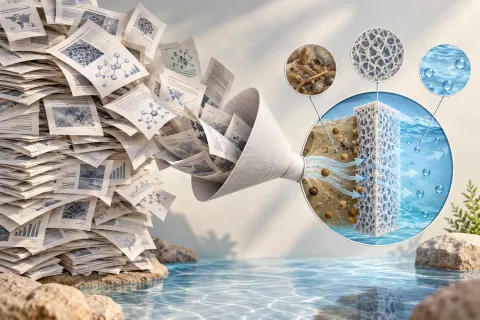
Turn a filtration study into one visual sentence, keep the measured result separate, and test whether a generator preserves the message through revision.
Practical guides, product updates, and better workflows for creating clear, editable scientific figures.
Turn a filtration study into one visual sentence, keep the measured result separate, and test whether a generator preserves the message through revision.

Use a fixed receptor diagram and three object-level edits to distinguish a usable scientific SVG from a flattened or impractical export.

Compare tools with a controlled membrane diagram, a materials cross-section and a multipanel workflow, using specific pass conditions rather than attractive examples.

Match labels, relationships, source material and revision requirements before comparing visual styles.

Compare asset assembly, manual vectors and generated drafts using a two-panel membrane experiment and a scored correction task.

Search an organ, a cell and a laboratory instrument separately, then audit meaning, editability and source records before assembling them.

A worked three-month manuscript budget separates subscription charges, revisions, figure count and the publication paperwork.
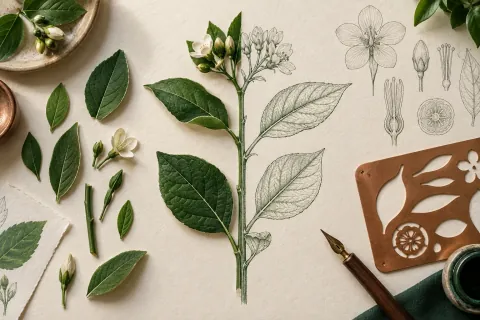
Evaluate the same revision tasks and delivery files before choosing where to build and maintain a research figure.

A four-panel manuscript example turns publisher policies into a concrete provenance, disclosure and reproducibility review.

Work through a lab-meeting, poster and journal example, with a practical version-and-permission record for the final file.

Separate scientific content, panel assembly and exported-file review instead of treating a polished layout as a finished figure.

Check each claim and object in a generated draft rather than equating visual polish with scientific readiness.